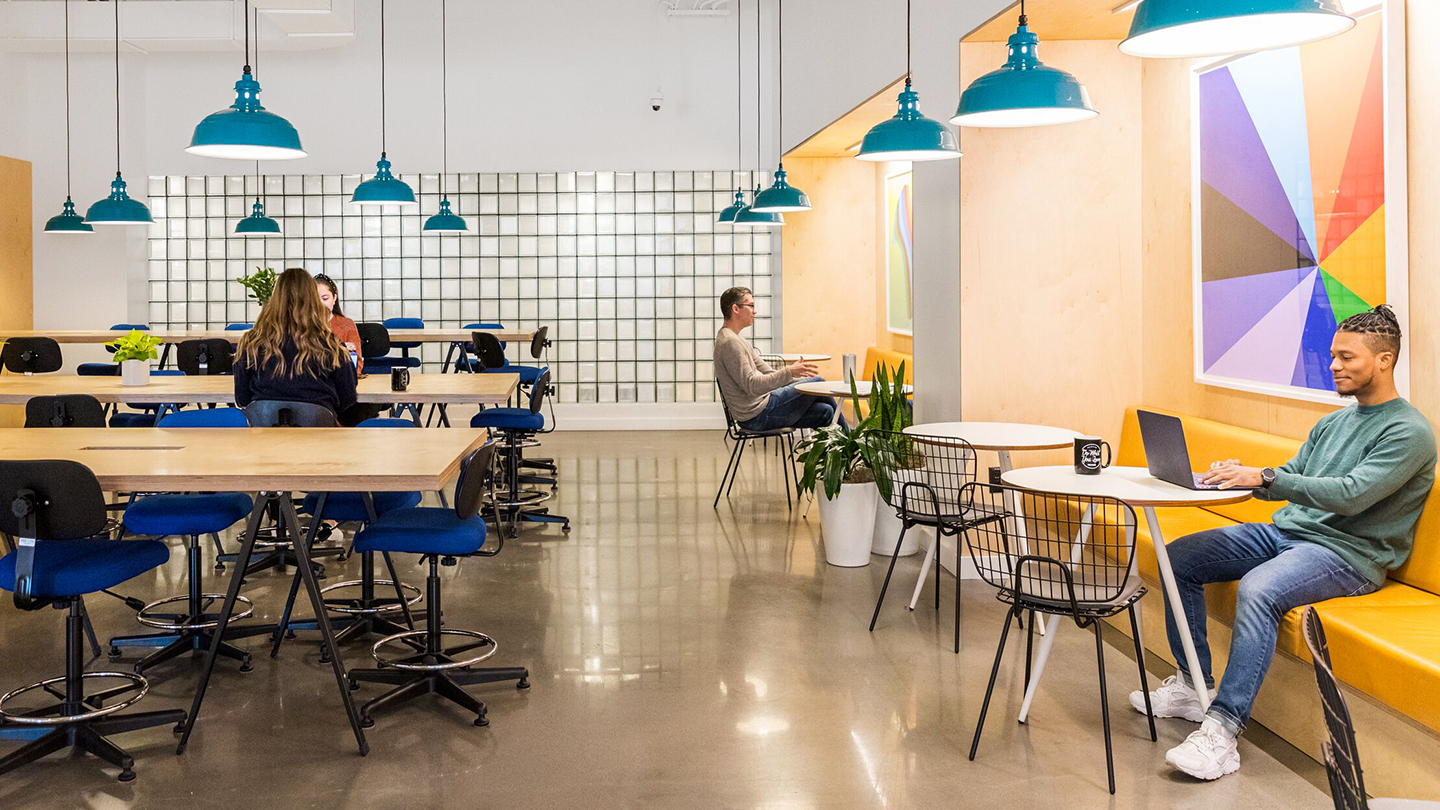
The modern workplace has evolved significantly as businesses embrace hybrid work, remote collaboration, and adaptable office environments. Companies of all sizes are looking for workspaces that support productivity while offering flexibility to meet changing business needs. Cocoon Flex Spaces represents the growing trend toward flexible work environments designed to accommodate individuals, startups, remote workers, and established organizations. By combining private work areas, collaborative spaces, and modern amenities, flexible offices provide an alternative to traditional long-term office leases.What Are Cocoon Flex Spaces?Cocoon Flex Spaces refer to adaptable workspace environments designed to support a variety of working styles. Instead of committing to permanent office layouts, businesses and professionals can use flexible spaces that may include private offices, shared workstations, meeting rooms, and collaborative areas.These workspaces are often designed to support productivity while allowing organizations to scale their office requirements as business needs change.The exact features available depend on the workspace provider and location.Why Flexible Workspaces Are GrowingThe demand for flexible offices has increased as organizations adopt hybrid and remote work models.Several factors contribute to this trend:Changing workforce expectationsBusiness scalabilityCost managementImproved collaborationFlexible schedulingAccess to modern office facilitiesBusinesses increasingly seek work environments that support both individual focus and team collaboration.Key Features of Cocoon Flex SpacesPrivate OfficesPrivate workspaces provide a quiet environment for focused work, confidential meetings, and day-to-day business operations.Shared WorkstationsHot desks and shared work areas allow professionals to work in a collaborative setting without requiring permanent desk assignments.Meeting RoomsDedicated meeting spaces often include presentation technology, video conferencing equipment, and comfortable seating for client meetings or team discussions.High-Speed InternetReliable internet connectivity is essential for remote collaboration, cloud applications, and virtual meetings.Comfortable Work EnvironmentModern flexible offices frequently include ergonomic furniture, natural lighting, climate control, and thoughtfully designed interiors that promote comfort throughout the workday.Benefits of Flexible WorkspacesIncreased FlexibilityBusinesses can often adjust workspace requirements as staffing levels or operational needs change.Cost EfficiencyFlexible office arrangements may reduce long-term overhead associated with traditional office leases, depending on the organization’s needs.Improved CollaborationShared spaces encourage networking, teamwork, and knowledge sharing among professionals.Professional EnvironmentFlexible workspaces provide access to office facilities without requiring organizations to manage every aspect of the workspace themselves.Support for Hybrid WorkEmployees who divide their time between home and the office can benefit from adaptable work environments.Who Can Benefit?Flexible workspaces serve a wide variety of professionals.StartupsNew businesses often value scalable office solutions that support growth without requiring long-term commitments.FreelancersIndependent professionals may use coworking spaces to access a productive environment outside the home.Remote WorkersEmployees working remotely can benefit from professional office facilities when needed.Small BusinessesGrowing companies may use flexible workspaces while expanding their operations.Corporate TeamsLarge organizations sometimes use satellite offices or flexible spaces to support distributed teams.Common AmenitiesModern workspace providers often include a range of business amenities.Examples include:Reception servicesConference roomsPrinting facilitiesKitchen areasCoffee stationsSecure internet accessMail handlingBreakout spacesAvailable amenities vary by provider.Choosing the Right Flexible WorkspaceBefore selecting a workspace, consider several important factors.LocationConvenient access for employees, clients, and transportation can improve daily operations.Workspace SizeChoose a solution that accommodates your current needs while allowing room for future growth.TechnologyEvaluate internet reliability, meeting room technology, and available business infrastructure.Membership OptionsReview available plans to determine whether they align with your business requirements.CommunitySome professionals value networking opportunities available through coworking communities.Best Practices for Maximizing Flexible WorkspacesOrganizations can get the most value from shared work environments by following several practical guidelines.Reserve meeting rooms in advance.Maintain organized workspaces.Respect shared areas.Use collaboration tools effectively.Communicate workspace schedules with team members.Take advantage of available business services.These habits contribute to a productive and professional environment.The Role of TechnologyTechnology continues improving how flexible offices operate.Modern workspaces increasingly support:Video conferencingCloud collaborationWireless connectivityDigital access controlSmart meeting room schedulingWorkspace management softwareThese tools help businesses maintain productivity across distributed teams.The Future of Flexible OfficesFlexible workspace solutions continue evolving alongside changes in business operations.Emerging trends include:Smart office technologyAI-powered workspace managementSustainable office designWellness-focused environmentsEnhanced collaboration technologyGreater customization optionsAs hybrid work becomes more common, adaptable office solutions are expected to remain an important part of the modern workplace.FAQsWhat are Cocoon Flex Spaces?Cocoon Flex Spaces are adaptable workspace environments designed to support professionals, startups, remote workers, and businesses through flexible office solutions.Who can use flexible workspaces?Freelancers, startups, remote employees, small businesses, and larger organizations can all benefit from flexible office environments.What amenities are commonly available?Many flexible workspaces offer high-speed internet, meeting rooms, shared workstations, reception services, kitchen facilities, printing services, and collaborative areas.Why are flexible workspaces becoming more popular?Businesses increasingly value flexibility, scalability, cost management, and support for hybrid work models.How do I choose the right flexible workspace?Consider factors such as location, workspace size, technology, available amenities, membership options, and how well the environment supports your business needs.ConclusionCocoon Flex Spaces reflect the growing demand for adaptable work environments that support today’s evolving business landscape. By combining private offices, collaborative work areas, modern technology, and flexible membership options, these spaces provide practical solutions for organizations and professionals seeking greater workplace flexibility. As hybrid work continues to shape the future of business, flexible office environments are likely to remain an important part of how companies create productive and collaborative workplaces.