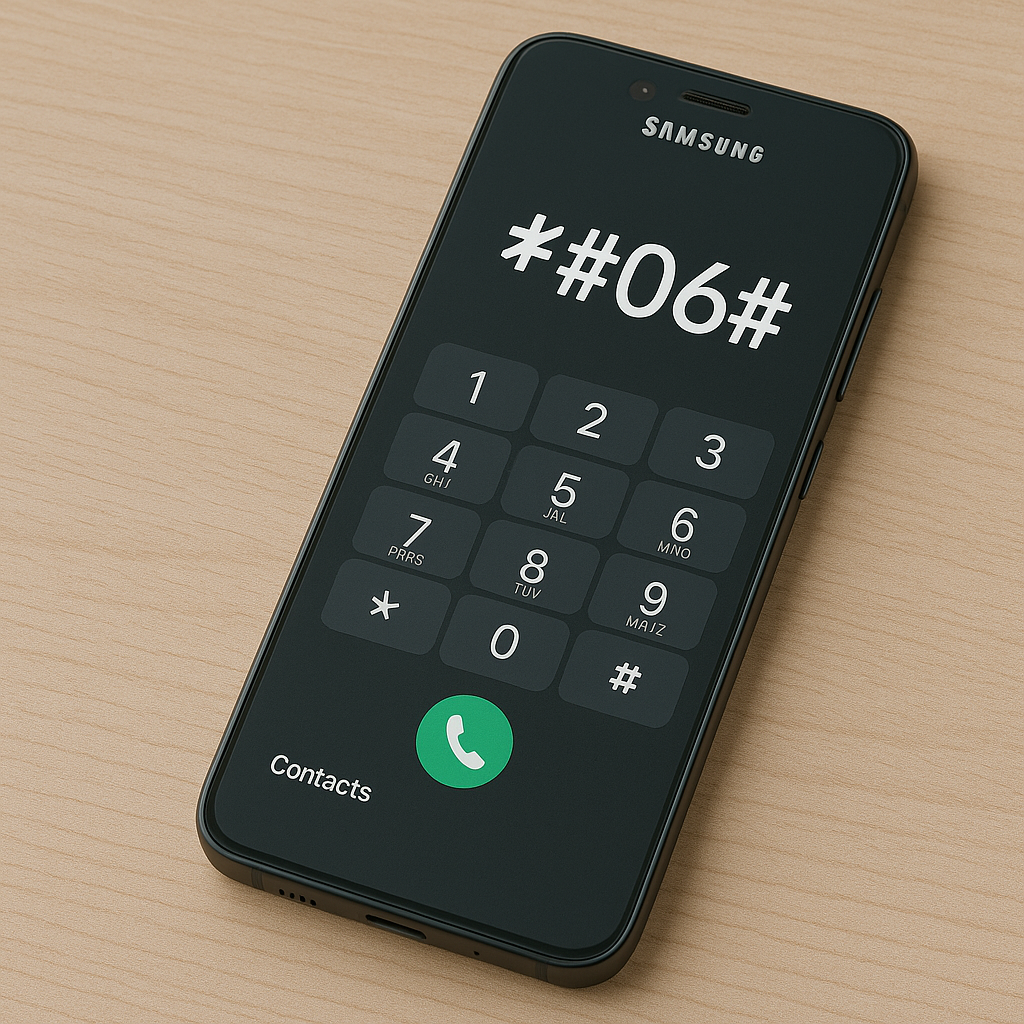
Every Samsung smartphone has a unique identifier that helps distinguish it from millions of other mobile devices worldwide. Whether you’re registering your phone, requesting technical support, checking warranty information, or verifying a second-hand device, knowing the IMEI number on Samsung phone can be extremely useful. The IMEI plays an important role in device identification and network compatibility, making it one of the most important numbers associated with your smartphone.What Is an IMEI Number?IMEI stands for International Mobile Equipment Identity. It is a unique 15-digit number assigned to most mobile devices that connect to cellular networks.Unlike a phone number, the IMEI identifies the physical device itself rather than the SIM card or mobile account.Mobile carriers and manufacturers use IMEI numbers for purposes such as:Device identificationTechnical supportWarranty verificationCarrier activationLost or stolen device reportingEvery compatible Samsung smartphone has its own unique IMEI.Why the IMEI Number Is ImportantThe IMEI serves several legitimate purposes throughout the life of your phone.Some common uses include:Confirming the exact device model.Receiving customer support.Checking warranty eligibility.Verifying a phone before purchasing it second-hand.Reporting a lost or stolen device to your carrier where applicable.Because the IMEI uniquely identifies your phone, it should be treated as sensitive device information.How to Find the IMEI Number on a Samsung PhoneSamsung provides several easy methods for locating the IMEI.Dial *#06#The fastest method is entering:*#06#into the Phone app.The IMEI number usually appears immediately on the screen.Check the Settings MenuYou can also locate the IMEI by following these steps:Open Settings.Tap About Phone.View the IMEI information listed on the device information page.Menu names may vary slightly depending on your Samsung model and Android version.Look at the Original BoxIf you still have the original packaging, the IMEI is often printed on a label attached to the box.SIM Tray or Device LabelSome Samsung models display the IMEI on the SIM tray or another physical label on the device.The location varies depending on the model.When You Might Need Your IMEIThere are several situations where the IMEI may be requested.Technical SupportSamsung or your mobile carrier may ask for the IMEI when troubleshooting device issues.Warranty ServiceAuthorized repair centers sometimes use the IMEI to identify eligible devices during service requests.Purchasing a Used DeviceBuyers may compare the IMEI with the advertised model information before purchasing a pre-owned phone.Device RegistrationCertain services or manufacturers may request the IMEI when registering a device.Keeping Your IMEI SecureAlthough the IMEI does not provide direct access to your personal accounts, it is still unique to your phone.For better security:Avoid sharing your IMEI publicly.Use official Samsung or carrier websites when requested.Do not post screenshots displaying your IMEI online.Share the number only with trusted organizations when necessary.Protecting your device information helps reduce unnecessary risks.IMEI and Dual SIM Samsung PhonesMany Samsung smartphones support two SIM cards.Dual SIM devices often have:IMEI 1IMEI 2Each SIM slot typically has its own unique IMEI number.This allows both cellular connections to be identified separately.IMEI vs. Serial NumberAlthough both identify your device, they serve different purposes.IMEIIdentifies the cellular hardware.Used by mobile carriers.Supports network-related functions.Serial NumberIdentifies the specific device for manufacturing and warranty purposes.Used primarily by Samsung and service centers.Both numbers can be useful during support requests.Tips for Buying a Used Samsung PhoneIf purchasing a pre-owned Samsung device:Verify the IMEI matches the device information.Compare the model number.Inspect the phone carefully.Purchase from reputable sellers.Request proof of purchase if available.These steps can help you make a more informed buying decision.Samsung Device Security TipsIn addition to protecting your IMEI:Enable screen lock protection.Use biometric authentication where supported.Keep your software updated.Enable device location features if available.Record your IMEI in a secure location.Good security practices help protect both your device and personal information.The Future of Device IdentificationMobile security continues evolving through improved hardware and software technologies.Emerging developments include:Enhanced anti-theft protections.Stronger hardware security.Improved remote device management.Better identity verification.Advanced privacy controls.Manufacturers continue improving device security while maintaining compatibility with carrier networks.FAQsWhat is the IMEI number on a Samsung phone?The IMEI is a unique 15-digit identifier assigned to your Samsung phone that helps identify the device on cellular networks.How do I find my Samsung IMEI?You can dial *#06#, check the Settings app under About Phone, look at the original device box, or inspect the SIM tray on certain models.Why is the IMEI important?The IMEI helps with device identification, warranty support, technical assistance, carrier services, and reporting lost or stolen devices.Is it safe to share my IMEI?Only share your IMEI with trusted organizations such as Samsung, your mobile carrier, or authorized service providers when necessary.Can a Samsung phone have two IMEI numbers?Yes. Many dual SIM Samsung smartphones have two IMEI numbers—one for each SIM slot.ConclusionKnowing the IMEI number on Samsung phone is useful for warranty support, technical assistance, device verification, and carrier-related services. Samsung provides several easy methods for locating this unique identifier, including dialing *#06# or checking your device settings. By keeping your IMEI private, using official Samsung resources, and maintaining good device security practices, you can protect your smartphone while ensuring you have the information needed whenever support or verification is required.