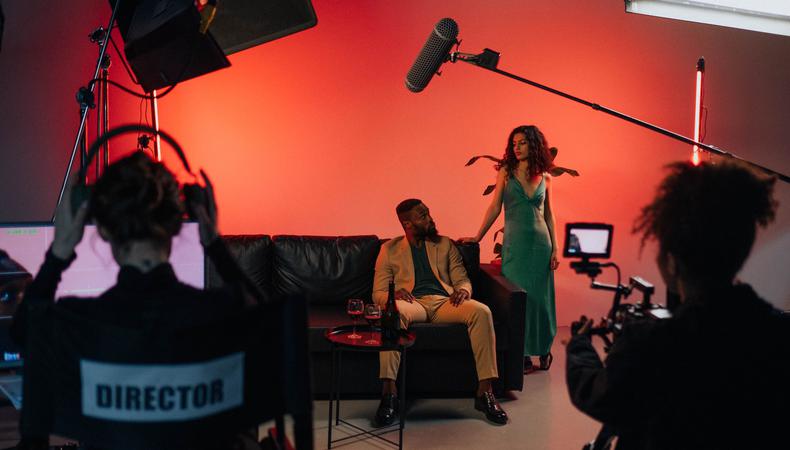
Casting is one of the most important stages of film, television, theater, and commercial production. Finding performers who fit a project’s creative vision requires careful planning, organized auditions, and effective collaboration between casting professionals and production teams. back casting room is a term that may refer to a dedicated space or behind-the-scenes environment used to support casting activities, auditions, talent coordination, and production workflows. While the exact meaning can vary depending on the organization or production process, casting rooms play a key role in helping creative teams evaluate talent and keep productions organized.What Is a Back Casting Room?A back casting room generally refers to a space used during the casting process where production staff organize auditions, review talent, manage schedules, or conduct behind-the-scenes activities related to selecting performers.Unlike the primary audition area where actors perform, this space may be used by casting directors, assistants, producers, or other members of the production team to coordinate auditions and review candidate information.The exact setup depends on the type of production, whether it involves film, television, theater, commercials, or digital media.Why Casting Is ImportantCasting directly influences the success of a production by matching performers with roles that fit the script and creative vision.An effective casting process can help:Identify suitable talent.Maintain organized audition schedules.Improve collaboration between departments.Support efficient production planning.Create a positive experience for performers.Selecting the right cast often requires reviewing many applicants before final decisions are made.How a Casting Workflow Typically OperatesAlthough each production has its own process, casting generally follows several common stages.The typical workflow includes:Defining character requirements.Publishing casting notices.Receiving applications and headshots.Scheduling auditions.Reviewing performances.Discussing candidates with the production team.Selecting performers.Finalizing contracts and schedules.A back casting room can support several of these organizational tasks behind the scenes.Key Functions of a Back Casting RoomAudition CoordinationProduction staff often use dedicated workspaces to organize audition schedules, communicate with performers, and manage daily operations.Reviewing Talent ProfilesCasting professionals may review resumes, headshots, demo reels, and audition notes while comparing candidates for different roles.Team CollaborationDirectors, producers, and casting teams frequently discuss performer suitability and creative direction before making casting decisions.Administrative SupportPaperwork, scheduling updates, release forms, and communication with talent agencies may also be handled within support areas.Digital Casting ManagementMany productions now use digital software to organize applicant information, making it easier to review submissions and track casting progress.Essential Equipment in a Casting EnvironmentModern casting spaces often include equipment that supports efficient auditions and communication.Common resources include:Computers and scheduling software.High-quality cameras.Professional lighting.Audio recording equipment.Internet connectivity.Video conferencing tools.Secure file storage.Comfortable seating for staff and performers.The equipment used depends on whether auditions take place in person, remotely, or through a hybrid process.Benefits of an Organized Casting SpaceMaintaining an organized casting environment provides advantages for both production teams and performers.Improved EfficiencyStructured workflows help reduce scheduling conflicts and streamline audition management.Better CommunicationCentralized coordination supports communication between casting directors, producers, agents, and performers.Professional ExperienceA well-managed process helps create a more organized and welcoming environment for audition participants.Easier Record ManagementDigital systems make it simpler to store audition recordings, notes, and performer information for future reference.Digital Transformation in CastingTechnology has significantly changed how casting is conducted.Modern casting processes may include:Online casting submissions.Virtual auditions.Video self-tapes.Cloud-based collaboration.Digital scheduling.Electronic contracts.Secure file sharing.These tools can improve flexibility while allowing productions to evaluate talent from different locations.Best Practices for Casting TeamsCasting professionals can improve workflow by following several practical guidelines.Create clear audition schedules.Maintain organized applicant records.Communicate promptly with performers.Protect confidential information.Use standardized evaluation criteria.Review audition materials consistently.Keep accurate production notes.These practices support fairness and efficiency throughout the casting process.Considerations for PerformersActors preparing for auditions can also benefit from careful preparation.Helpful suggestions include:Review audition instructions thoroughly.Arrive on time for scheduled sessions.Bring requested materials.Prepare according to the role requirements.Maintain professional communication.Follow submission guidelines for self-taped auditions.Preparation helps performers present their work effectively while supporting a smooth casting experience.Privacy and Data ManagementCasting often involves collecting personal information such as resumes, contact details, photographs, and audition recordings.Production teams should consider:Secure storage of applicant information.Limited access to casting records.Compliance with applicable privacy requirements.Responsible handling of audition materials.Clear communication regarding data use.Proper information management supports professionalism and trust.The Future of Casting OperationsCasting continues to evolve alongside advances in digital production technology.Future developments may include:AI-assisted audition organization.Improved virtual casting platforms.Automated scheduling tools.Enhanced cloud collaboration.Better digital asset management.Expanded international casting opportunities.These innovations are expected to make casting more efficient while increasing access to talent worldwide.FAQsWhat is a back casting room?A back casting room generally refers to a workspace used behind the scenes to support casting activities such as audition coordination, reviewing talent, scheduling, and production planning.Who uses a back casting room?Casting directors, producers, directors, casting assistants, and production staff may use these spaces to manage different aspects of the casting process.Is a back casting room the same as an audition room?Not necessarily. An audition room is where performers typically present their auditions, while a back casting room may serve as a support area for organizing and evaluating the casting process.How has technology changed casting?Digital tools have introduced online submissions, virtual auditions, cloud collaboration, digital scheduling, and electronic record management, making casting more flexible and efficient.Why is organization important during casting?An organized casting process helps reduce scheduling issues, improve communication, maintain accurate records, and support informed casting decisions.ConclusionA well-organized casting process is essential for successful film, television, theater, and commercial productions. back casting room represents the behind-the-scenes coordination that helps casting professionals manage auditions, review talent, and collaborate effectively throughout the selection process. As digital tools continue to transform the entertainment industry, efficient casting workflows, secure data management, and clear communication remain key elements of identifying the right performers and supporting a smooth production process.