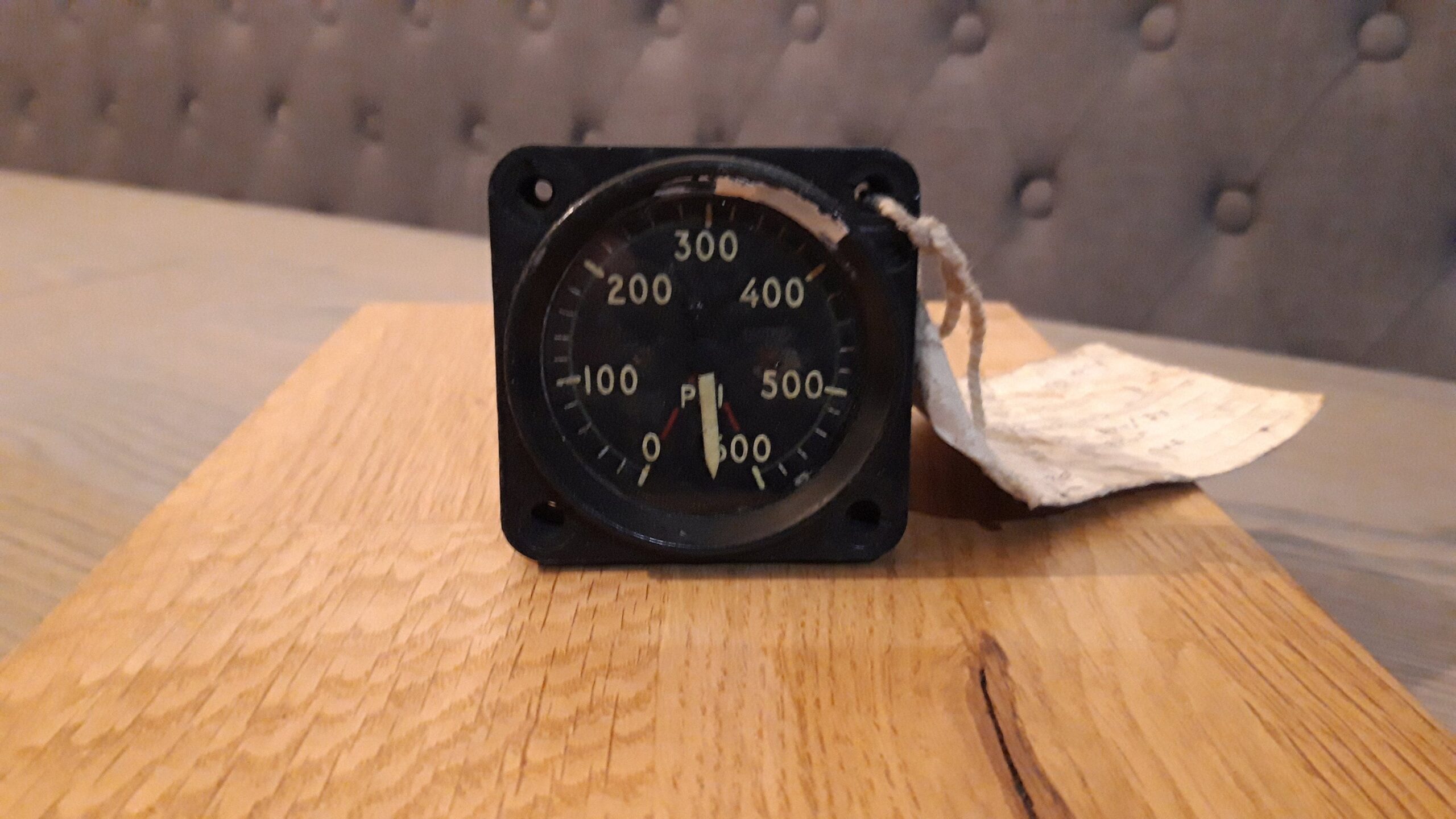
Reliable avionics components are essential for accurate aircraft instrumentation and flight system performance. Among the many electromechanical devices used in aviation, synchro transmitters play an important role in transmitting angular position information between aircraft systems. bendix king 18049-0002 synchro transmitter is a search term used by aviation technicians, aircraft owners, and maintenance professionals looking for information about this specific component or compatible replacement options. Understanding how synchro transmitters work, where they are used, and the importance of proper maintenance can help support safe and efficient aircraft operations.What Is a Synchro Transmitter?A synchro transmitter is an electromechanical device designed to convert the rotational position of a shaft into corresponding electrical signals. These signals can then be transmitted to compatible receivers, indicators, or control systems that display or use the same angular position.Synchro systems have historically been used in aviation, marine, industrial, and military applications where accurate position transmission is required.The exact specifications of any individual part number should always be confirmed using the manufacturer’s documentation or approved maintenance manuals.Understanding the bendix king 18049-0002 Synchro TransmitterThe bendix king 18049-0002 synchro transmitter is associated with aviation equipment and may be referenced during aircraft maintenance, repair, overhaul, or parts replacement.When working with any avionics component, maintenance personnel should verify:Approved aircraft compatibility.Manufacturer documentation.Installation requirements.Applicable maintenance manuals.Airworthiness requirements.Because aircraft configurations vary, compatibility should never be assumed based solely on a part number.How a Synchro Transmitter WorksA synchro transmitter operates by generating electrical signals that correspond to the mechanical position of its rotating shaft.In general, the process includes:Mechanical movement rotates the input shaft.Internal windings produce position-related electrical signals.Signals are transmitted through connected wiring.Compatible receiving equipment interprets the signals.The receiving instrument displays the same angular position.This system allows mechanical movement in one location to be represented accurately elsewhere in the aircraft.Common Aviation ApplicationsSynchro transmitters have been used in various aircraft systems that require position information.Possible applications include:Flight InstrumentsSome instrument systems use synchro devices to transmit rotational position information between components.Navigation SystemsCertain navigation equipment may rely on position-transmitting devices as part of larger avionics assemblies.Autopilot InterfacesSome aircraft control systems have historically incorporated synchro technology for position feedback within compatible designs.Remote IndicatorsSynchro systems can drive remote indicators that display information in different cockpit locations.The exact use of a specific transmitter depends on the aircraft and installed avionics configuration.Key Characteristics of Synchro TechnologyAccurate Position TransmissionSynchro systems are designed to communicate rotational position with a high degree of precision within their intended operating environment.Electrical Signal OutputMechanical rotation is converted into electrical information suitable for compatible receiving equipment.Durable ConstructionMany aviation components are designed to withstand vibration, temperature changes, and demanding operating conditions, subject to their certification and specifications.System IntegrationSynchro transmitters are typically integrated into larger avionics or instrumentation systems rather than operating as standalone devices.Importance of Proper InstallationAircraft components should only be installed in accordance with approved maintenance data.Important considerations include:Confirming the correct part number.Following aircraft maintenance manuals.Using approved installation procedures.Verifying electrical connections.Performing functional testing after installation.Installation should be carried out by appropriately qualified maintenance personnel where required by applicable regulations.Inspection and Maintenance ConsiderationsRoutine inspection helps support the continued reliability of avionics systems.Maintenance activities may include:Visual InspectionCheck for signs of corrosion, physical damage, loose connectors, or worn wiring.Electrical TestingTechnicians may perform approved electrical tests using appropriate equipment and procedures specified in maintenance documentation.Connector ExaminationInspect electrical connectors for cleanliness, secure attachment, and signs of wear.Functional VerificationAfter maintenance or replacement, system operation should be verified according to approved procedures.Maintenance intervals depend on the aircraft, operating environment, manufacturer guidance, and regulatory requirements.Troubleshooting Common IssuesWhen diagnosing synchro-related problems, technicians may investigate:Wiring continuity.Connector integrity.Mechanical wear.Electrical signal output.Instrument calibration.Associated receiving components.Accurate troubleshooting often requires specialized test equipment and reference documentation.Choosing Replacement ComponentsWhen replacing aviation parts, consider the following:Correct part number.Aircraft model compatibility.Manufacturer approval.Service history, if purchasing serviceable used parts.Documentation and traceability.Compliance with applicable aviation regulations.Using approved replacement components helps maintain system reliability and airworthiness.Best Practices for Aircraft Owners and Maintenance PersonnelTo support reliable avionics performance:Follow manufacturer maintenance recommendations.Use approved technical documentation.Keep maintenance records up to date.Perform inspections at recommended intervals.Verify compatibility before replacing components.Work with qualified aviation maintenance professionals.These practices contribute to the safe operation of aircraft systems.The Future of Position Sensing in AviationWhile synchro technology remains in service in many aircraft, newer avionics systems increasingly incorporate digital sensors and electronic data transmission methods.Modern developments include:Digital position sensors.Integrated avionics networks.Advanced flight displays.Improved diagnostic capabilities.Enhanced reliability monitoring.Lightweight electronic components.Many legacy aircraft, however, continue to operate with synchro-based systems that remain important for ongoing maintenance and support.FAQsWhat is the bendix king 18049-0002 synchro transmitter?The bendix king 18049-0002 synchro transmitter is an aviation-related component associated with transmitting rotational position information within compatible aircraft systems. Exact specifications should be confirmed using the manufacturer’s documentation.What does a synchro transmitter do?A synchro transmitter converts the rotational position of a shaft into electrical signals that compatible instruments or systems use to indicate the same position remotely.Where are synchro transmitters commonly used?They have historically been used in aviation, marine, military, and industrial systems that require accurate transmission of angular position information.Can any synchro transmitter replace another?No. Replacement parts should always match the aircraft’s approved specifications and be verified using the applicable maintenance manuals and approved parts documentation.Who should install or service a synchro transmitter?Installation, inspection, and maintenance should be performed by appropriately qualified aviation maintenance personnel in accordance with applicable regulations and approved technical data.ConclusionThe bendix king 18049-0002 synchro transmitter represents a specialized component used in aircraft position-sensing and instrumentation systems. Although synchro technology has been supplemented by newer digital solutions in many modern aircraft, it continues to play an important role in numerous legacy avionics installations. Proper identification, approved maintenance procedures, compatibility verification, and adherence to manufacturer documentation are essential for supporting reliable operation and maintaining airworthiness.