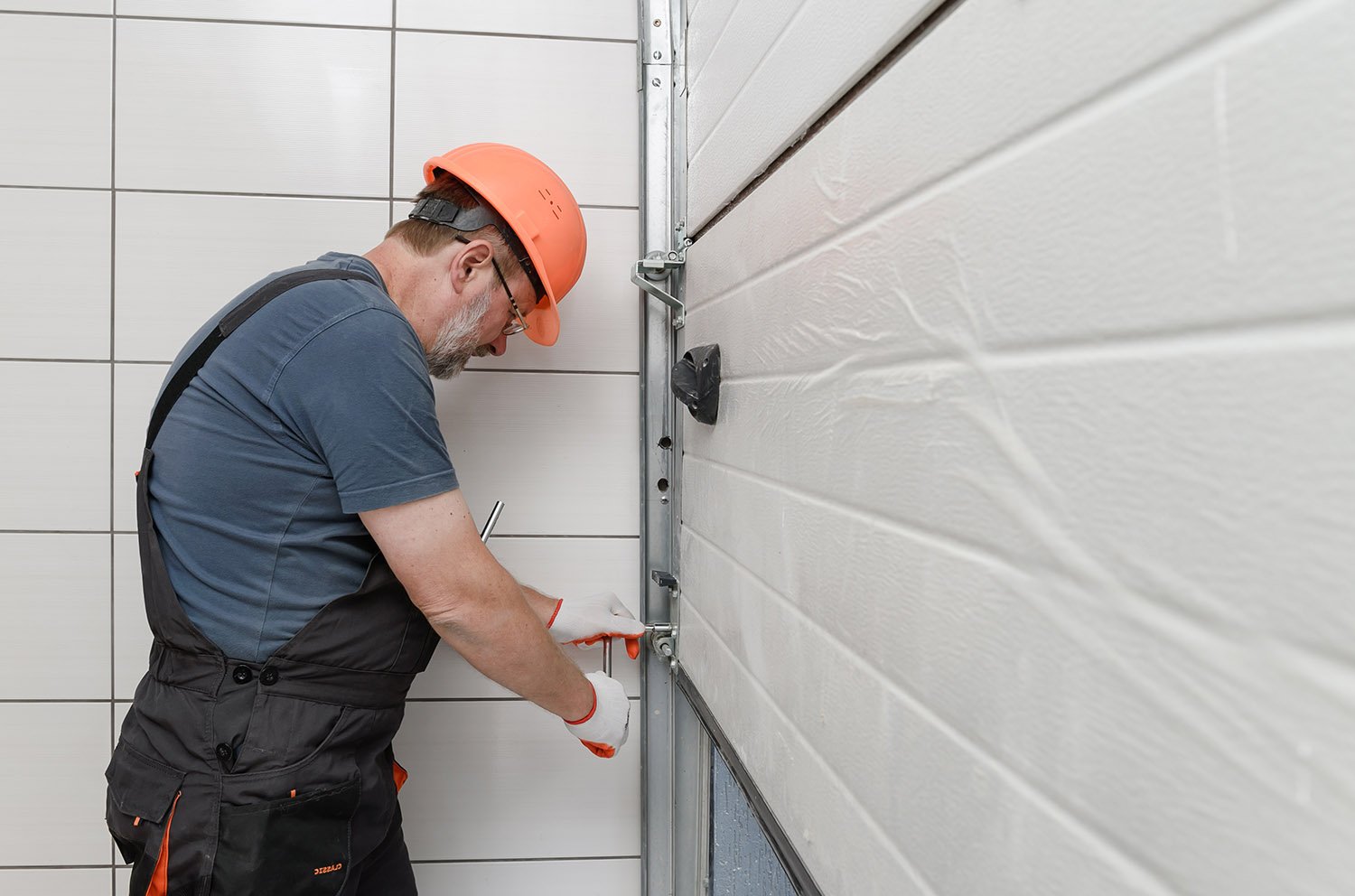
A garage door is one of the most frequently used entry points in many homes, making reliable operation important for both convenience and security. Over time, normal wear and tear can lead to issues such as unusual noises, slow movement, damaged panels, or problems with opening and closing. repair garage door is a common search term for homeowners looking to understand the causes of these issues and the available repair options. While some routine maintenance tasks can be handled by homeowners, repairs involving springs, cables, or other high-tension components should generally be performed by qualified professionals due to safety risks.Why Garage Door Maintenance Is ImportantRegular maintenance helps keep a garage door operating smoothly and may reduce the likelihood of unexpected breakdowns. A well-maintained system can also contribute to the longevity of components such as rollers, tracks, hinges, and openers.Benefits of routine maintenance include:Smoother door operationReduced wear on moving partsImproved home securityEarly detection of potential problemsLower risk of unexpected failuresBetter overall performanceCommon Garage Door ProblemsGarage doors consist of multiple mechanical and electrical components that work together. When one component wears out or becomes damaged, it can affect the entire system.Garage Door Won’t Open or CloseOne of the most common issues is a door that does not respond properly.Possible causes include:Power supply interruptionsRemote control battery issuesMisaligned safety sensorsObstructions in the door’s pathMalfunctioning garage door openerChecking these basic issues may help identify the source of the problem before scheduling a repair.Noisy Garage DoorGrinding, squeaking, or rattling noises often indicate that maintenance is needed.Common causes include:Worn rollersLoose hardwareDry hingesMisaligned tracksLubricating moving parts according to the manufacturer’s recommendations may help reduce certain types of noise.Slow Door MovementA garage door that opens or closes more slowly than usual may require inspection.Potential causes include:Aging opener componentsIncreased frictionTrack alignment issuesWorn rollersIf the issue persists, professional diagnosis may be necessary.Damaged PanelsGarage door panels can become dented or damaged due to weather, accidental impacts, or everyday use.Depending on the extent of the damage, repairs may involve replacing individual panels or, in some cases, the entire door.Garage Door ComponentsUnderstanding the main parts of a garage door system can help homeowners recognize when maintenance or repairs are needed.SpringsGarage door springs help balance the door’s weight, making it easier to open and close.Because springs are under high tension, repairs or replacements should be handled by trained professionals.RollersRollers guide the door along its tracks during operation.Over time, rollers may wear out and require replacement to maintain smooth movement.TracksTracks keep the garage door aligned during operation.Bent or obstructed tracks can interfere with proper movement.HingesHinges connect door sections and allow the door to bend as it travels along the tracks.Regular inspection can help identify loose or worn hinges.Garage Door OpenerThe opener provides automated operation using an electric motor and control system.Periodic testing helps ensure the opener and safety features continue functioning properly.Routine Maintenance TipsSimple maintenance tasks can help extend the life of a garage door system.Recommended practices include:Inspect moving parts regularly.Tighten loose hardware.Lubricate hinges and rollers with products recommended by the manufacturer.Keep tracks clean and free of debris.Test the automatic reverse safety feature.Replace remote batteries when needed.Routine maintenance should always follow the manufacturer’s instructions.When to Call a ProfessionalSome garage door issues require specialized tools and expertise.Professional service is recommended for:Broken SpringsGarage door springs store significant energy and can cause serious injury if handled improperly.Cable ProblemsDamaged or broken lifting cables should only be repaired by trained technicians.Track RepairsBent or severely misaligned tracks may require professional adjustment or replacement.Opener MalfunctionsElectrical or mechanical problems with automatic openers often require diagnosis by experienced technicians.Major Structural DamageExtensive damage to the door or supporting components should be evaluated by a qualified repair professional.Signs Your Garage Door Needs AttentionHomeowners should watch for warning signs such as:Unusual noisesUneven movementSlow opening or closingSagging door sectionsVisible wear on rollers or hingesDifficulty opening manuallyInconsistent operationAddressing issues early may help prevent more extensive repairs.Choosing a Garage Door Repair ServiceWhen selecting a repair company, consider several important factors.ExperienceChoose a company with experience repairing your type of garage door system.Licensing and InsuranceVerify licensing or insurance requirements where applicable in your area.Customer ReviewsReading customer feedback can provide insight into service quality and professionalism.Written EstimatesRequest a detailed estimate outlining labor, materials, and expected costs before work begins.Warranty InformationAsk whether warranties are available for parts or workmanship.Improving Garage Door LongevityRegular care can help maximize the lifespan of your garage door.Helpful practices include:Schedule periodic inspections.Keep moving parts properly maintained.Replace worn components promptly.Protect the door from accidental impacts.Follow manufacturer maintenance recommendations.Preventive maintenance is often more cost-effective than waiting for major failures.The Future of Garage Door TechnologyModern garage doors continue evolving with new technology.Emerging features include:Smart garage door openersMobile app controlsWi-Fi connectivityIntegrated security systemsBattery backup systemsQuiet belt-drive openersEnhanced safety sensorsThese innovations improve convenience, security, and system monitoring for homeowners.FAQsWhat is the most common reason a garage door stops working?Common causes include power interruptions, sensor misalignment, worn components, remote control issues, or garage door opener malfunctions. A proper inspection can help identify the exact cause.Can I repair a garage door myself?Homeowners may perform basic maintenance such as cleaning tracks or lubricating moving parts. However, repairs involving springs, cables, or major mechanical components should generally be handled by qualified professionals due to safety risks.How often should a garage door be serviced?Maintenance schedules vary by manufacturer and usage. Many homeowners choose to inspect and maintain their garage door periodically to help identify potential issues early.Why is my garage door making loud noises?Noises may result from worn rollers, loose hardware, insufficient lubrication, or track alignment issues. If the noise continues after routine maintenance, professional inspection may be appropriate.How can I extend the life of my garage door?Regular inspections, proper lubrication, prompt repairs, and following the manufacturer’s maintenance recommendations can help support long-term performance.ConclusionKnowing when to repair garage door problems can help maintain the safety, security, and reliability of your home’s garage door system. Routine maintenance, early identification of wear, and timely professional repairs can reduce the likelihood of unexpected breakdowns while extending the lifespan of important components. For repairs involving high-tension springs, cables, or electrical systems, working with a qualified garage door technician is the safest approach to restoring proper operation.