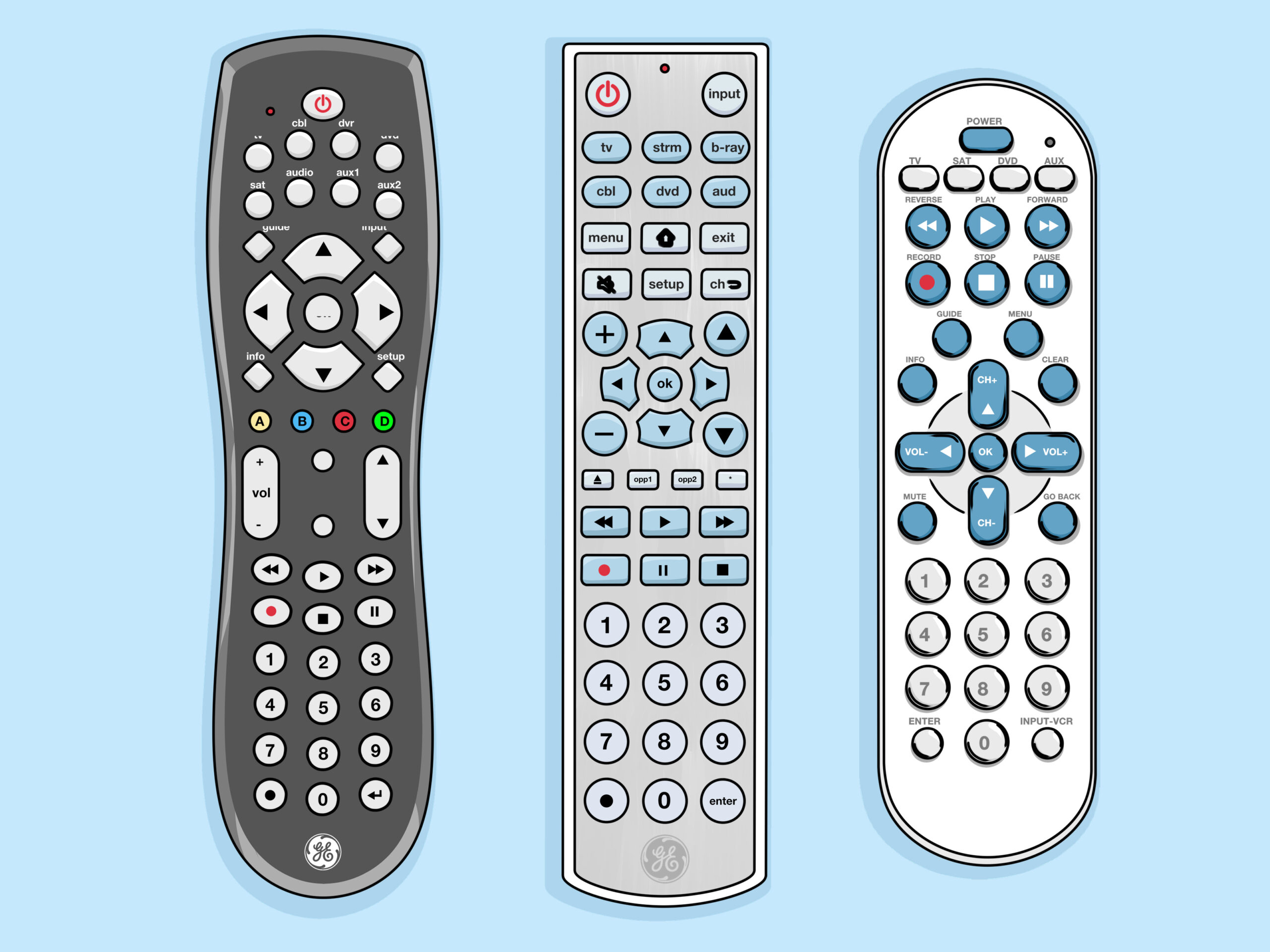
A universal remote can simplify your home entertainment setup by allowing you to control multiple devices with a single controller. Whether you’re replacing a lost remote or reducing the number of remotes on your coffee table, proper programming is essential. GE universal remote codes are used to pair a GE universal remote with compatible televisions, streaming devices, DVD players, sound systems, and other entertainment equipment. Understanding how these codes work and how to troubleshoot programming issues can help you get your remote working quickly.What Are GE Universal Remote Codes?GE universal remote codes are numerical codes assigned to different manufacturers and device models. During the programming process, these codes allow the remote to communicate with your television or other compatible electronic equipment.Because different manufacturers use different communication protocols, multiple codes may exist for the same brand.The correct code depends on:Device manufacturerDevice modelRemote modelRemote software versionAlways refer to the code list included with your specific GE universal remote or the official manufacturer support resources.Devices That Can Be ControlledDepending on your remote model, a GE universal remote may support devices such as:TelevisionsDVD playersBlu-ray playersStreaming devicesCable boxesSatellite receiversSoundbarsAudio receiversCompatibility varies by remote model and device.How to Find GE Universal Remote CodesThere are several ways to locate compatible codes.User ManualMost GE universal remotes include a printed code list organized by device manufacturer.Official Support ResourcesThe manufacturer’s website often provides updated programming instructions and code lists.Automatic Code SearchMany GE remotes include an automatic code search function that cycles through available codes until it finds a compatible one.How to Program a GE Universal RemoteProgramming methods may vary depending on the remote model.A general process often includes:Turn on the device you want to control.Press and hold the Setup button until the indicator light changes.Select the appropriate device type.Enter the correct programming code.Test the remote functions.Always follow the instructions included with your specific remote model.Automatic Code SearchIf you cannot find a working code, many remotes support automatic searching.This feature typically works by:Entering programming mode.Initiating the automatic search.Testing each available code.Saving the first code that successfully controls the device.The exact steps vary by model.Common Programming ProblemsSeveral issues may prevent successful setup.Incorrect CodeThe most common cause is entering an incompatible code.If one code does not work, try another listed for the same manufacturer.Weak BatteriesLow battery power can affect remote performance.Replacing batteries often resolves communication issues.Device CompatibilitySome older or newer devices may have limited compatibility depending on the remote model.ObstructionsEnsure there is a clear line of sight between the remote and the device during programming.Troubleshooting TipsIf your remote is not working properly:Replace the batteries.Verify the correct device code.Restart the device.Repeat the programming process.Confirm that your remote supports the device type.Reviewing the official instructions can often resolve setup problems.Benefits of a Universal RemoteUsing one remote instead of several offers several advantages.ConvenienceControl multiple devices without switching remotes.Reduced ClutterOne remote replaces multiple manufacturer-specific controllers.Simplified Entertainment SetupManaging televisions, sound systems, and media players becomes easier.Easy ReplacementUniversal remotes can serve as replacements when original remotes are lost or damaged.Caring for Your RemoteProper care helps extend the life of your remote.Recommendations include:Replace batteries when needed.Keep the remote clean.Avoid dropping it.Store it in a dry location.Protect it from spills.Routine care supports reliable performance.Choosing the Right GE Universal RemoteBefore purchasing, consider:Number of Supported DevicesSome remotes control two devices, while others support four, six, or more.Backlit ButtonsBacklit controls may improve visibility in low-light environments.Streaming Device SupportVerify compatibility if you use streaming players or smart TVs.Ergonomic DesignComfortable button layouts improve everyday usability.The Future of Universal RemotesHome entertainment technology continues evolving.Recent trends include:Smart home integrationVoice controlBluetooth connectivityApp-based remote controlProgrammable shortcutsExpanded device compatibilityThese innovations continue improving convenience for home entertainment systems.FAQsWhat are GE universal remote codes?GE universal remote codes are programming numbers that allow a GE universal remote to communicate with compatible televisions and other entertainment devices.Where can I find GE universal remote codes?Codes are typically available in the remote’s user manual or through the official manufacturer’s support resources.Why isn’t my remote accepting the code?Possible reasons include using the wrong code, weak batteries, incompatible devices, or entering programming mode incorrectly.Can one GE remote control multiple devices?Many GE universal remotes are designed to control multiple compatible devices, depending on the specific model.What should I do if none of the codes work?Try the automatic code search feature if available or consult the official support documentation for your remote model.ConclusionUsing the correct GE universal remote codes is the key to successfully programming your remote and simplifying your home entertainment system. Whether you’re setting up a television, streaming device, DVD player, or sound system, following the manufacturer’s programming instructions and using the appropriate codes can help ensure reliable operation. If manual codes do not work, automatic code search features and official support resources often provide additional solutions for completing the setup process.