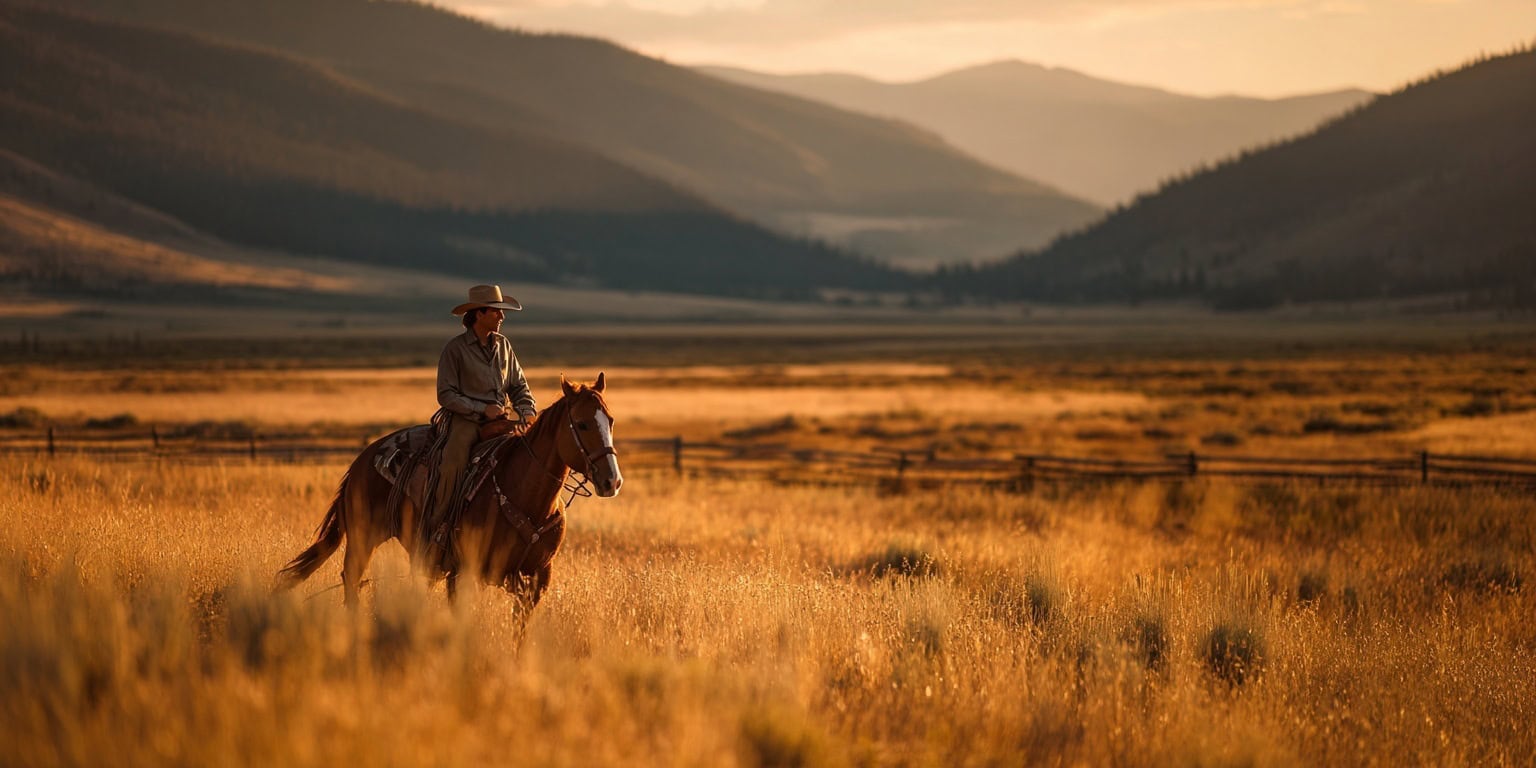
The history of the American West is closely connected with the work of Texas ranchers, whose efforts have helped shape the state’s agricultural identity for generations. Ranching remains an important part of Texas’ economy, supporting livestock production, rural communities, and land stewardship across millions of acres. While modern ranching has adopted new technologies and management practices, many ranchers continue to balance tradition with innovation as they care for livestock, manage natural resources, and respond to changing market conditions.The History of Ranching in TexasTexas has a long ranching tradition that dates back centuries. Influences from Spanish settlers introduced early cattle-raising practices, which later evolved into the large ranching operations associated with the American West.As the state grew, ranching became an important part of Texas’ agricultural economy. Cattle drives, expanding railroads, and improvements in transportation helped connect ranches with markets across the country.Today, ranching continues to play a significant role in Texas agriculture while reflecting both historical traditions and modern business practices.What Do Texas Ranchers Do?Ranching involves much more than raising cattle. Daily responsibilities vary depending on the size of the operation, the type of livestock, and seasonal conditions.Common responsibilities include:Caring for livestockManaging grazing landMaintaining fences and equipmentMonitoring animal healthPlanning breeding programsManaging water resourcesPreparing feed during challenging weatherCoordinating transportation and salesMany ranches are family-owned businesses that combine agricultural knowledge with long-term planning.Types of Livestock RaisedTexas ranchers manage a variety of livestock depending on regional conditions and business goals.Beef CattleBeef production is one of the most recognizable parts of Texas ranching. Many ranches focus on breeding, raising, and managing cattle for the beef supply chain.HorsesSome ranches also raise and train horses used for ranch work, recreation, or other agricultural activities.SheepSheep ranching contributes to wool and meat production in certain parts of the state.GoatsGoat ranching has become increasingly common in some regions because goats adapt well to different landscapes and grazing conditions.The mix of livestock varies by ranch and local environmental conditions.The Economic Importance of RanchingAgriculture is a significant contributor to Texas’ economy, and ranching represents an important part of that sector.Ranching supports:Rural employmentAgricultural businessesEquipment suppliersVeterinary servicesFeed productionTransportation servicesLocal communitiesThe industry’s economic contribution extends beyond individual ranches through its connections with many other businesses.Land Management PracticesHealthy land is essential for successful ranching.Many ranchers use management practices such as:Rotational GrazingMoving livestock between pastures can help support forage growth and reduce overgrazing.Water ConservationEfficient water management is important, particularly in areas affected by drought.Soil HealthMaintaining healthy soil supports grass production and long-term land productivity.Wildlife ManagementMany ranches share land with native wildlife, making habitat management an important consideration.Management practices differ depending on climate, geography, and operational goals.Technology in Modern RanchingTechnology has become an increasingly valuable tool for ranch operations.Examples include:GPS livestock trackingDrone-assisted land monitoringElectronic identification systemsWeather monitoring toolsDigital recordkeepingRemote water monitoringThese technologies can help ranchers improve efficiency while supporting informed decision-making.Challenges Facing Texas RanchersLike many agricultural businesses, ranching involves ongoing challenges.WeatherDrought, floods, severe storms, and extreme temperatures can affect forage availability and livestock management.Market ConditionsLivestock prices and production costs may fluctuate over time due to changing economic conditions.LaborFinding skilled agricultural workers can be challenging in some regions.Resource ManagementBalancing livestock production with responsible land stewardship requires ongoing planning.Every ranch faces unique circumstances depending on its location and operational focus.Sustainability in RanchingMany ranchers are adopting practices that support long-term environmental stewardship.Examples include:Efficient grazing managementWater conservationHabitat preservationSoil improvementResponsible resource useApproaches vary among ranches based on local conditions, available resources, and business objectives.The Role of Family RanchesFamily-owned ranches continue to be an important part of Texas agriculture.Many families pass ranching knowledge from one generation to the next, including:Animal careLand managementBusiness operationsEquipment maintenanceAgricultural planningThis transfer of experience helps preserve ranching traditions while adapting to modern agricultural practices.Ranching and Local CommunitiesRanches often contribute to their surrounding communities in many ways.Examples include:Supporting local businessesParticipating in agricultural educationContributing to rural economiesWorking with conservation organizationsParticipating in livestock exhibitions and fairsStrong community relationships remain an important part of many ranching operations.Tips for Learning About RanchingIf you’re interested in learning more about ranching, consider:Visiting agricultural museums.Attending local livestock shows.Exploring educational programs offered by universities or extension services.Following reputable agricultural organizations.Reading publications focused on livestock management and agriculture.Learning from multiple sources provides a broader understanding of the industry.The Future of Texas RanchingTexas ranching continues to evolve as producers respond to changing technology, environmental conditions, and consumer demand.Future developments may include:Greater use of precision agricultureExpanded digital recordkeepingImproved livestock monitoringEnhanced water managementContinued focus on sustainabilityNew approaches to pasture managementThese changes aim to support efficient operations while maintaining the long-term productivity of ranch land.FAQsWhat do Texas ranchers primarily raise?Many Texas ranchers raise beef cattle, although some operations also manage horses, sheep, goats, or other livestock depending on their location and business goals.Why is ranching important in Texas?Ranching contributes to the state’s agricultural economy, supports rural communities, provides employment, and plays a significant role in livestock production.What challenges do Texas ranchers face?Common challenges include weather conditions, market fluctuations, labor availability, and long-term land management.How has technology changed ranching?Technology has introduced tools such as GPS tracking, drones, digital recordkeeping, weather monitoring, and remote livestock management systems that can improve operational efficiency.Are most Texas ranches family-owned?Many ranches in Texas are family-owned and operated, with knowledge and management responsibilities often passed down through generations.ConclusionTexas ranchers continue to play a vital role in the state’s agricultural heritage and modern economy. Through livestock management, land stewardship, and ongoing adaptation to new technologies and environmental challenges, ranchers contribute to food production and the strength of rural communities. While ranching has evolved over time, its foundation remains rooted in responsible resource management, practical experience, and a commitment to sustaining both the land and the livelihoods that depend on it.