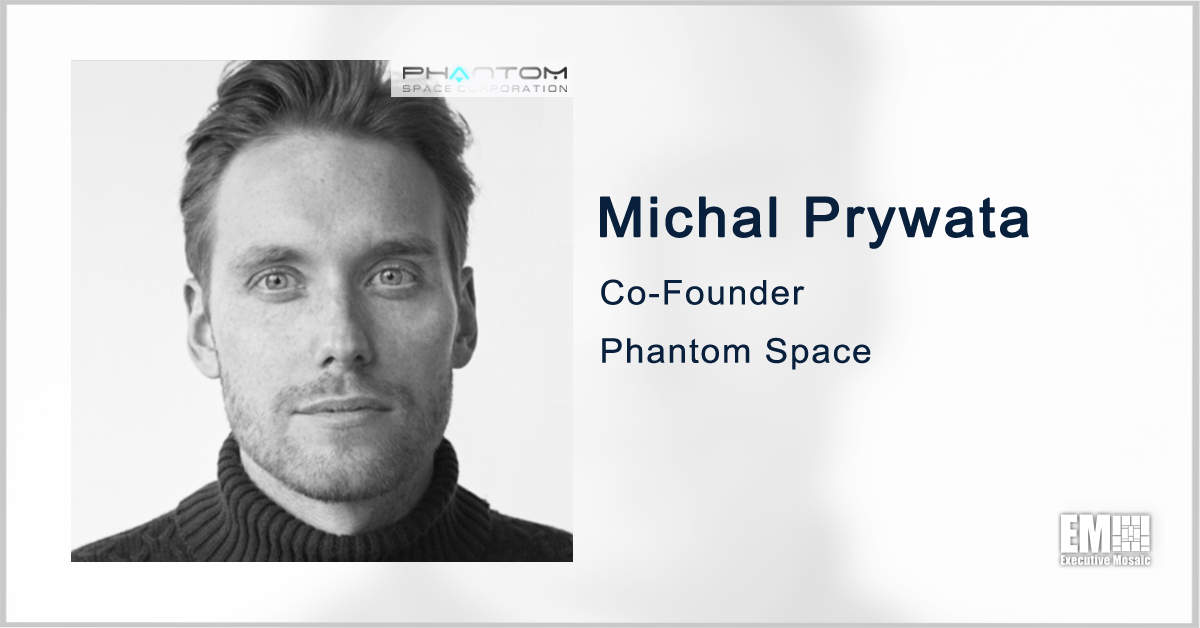
Innovation increasingly happens where multiple disciplines intersect, bringing together expertise from technology, science, engineering, and entrepreneurship. Michal Prywata is a technologist, inventor, and entrepreneur whose work spans artificial intelligence, space technologies, biotechnology, and sustainability. This multidisciplinary approach reflects a growing trend among innovators who seek to address complex global challenges by combining advances from several fields rather than focusing on a single industry.Who Is Michal Prywata?Michal Prywata is recognized for his work across several emerging technology sectors, including artificial intelligence (AI), space technology, biotechnology, and sustainable innovation. Rather than concentrating on one discipline alone, his professional interests reflect the increasing convergence of advanced technologies that are reshaping industries around the world.As technological development accelerates, entrepreneurs and inventors often collaborate across scientific and engineering domains to explore practical applications for new ideas.A Multidisciplinary Approach to InnovationMany of today’s technological breakthroughs emerge from combining expertise across different industries.A multidisciplinary approach may involve:Artificial intelligenceAerospace technologiesBiotechnologyEnvironmental innovationData scienceAdvanced engineeringBringing these areas together can create opportunities to develop solutions that address scientific, industrial, and environmental challenges.Artificial Intelligence and Emerging TechnologiesArtificial intelligence continues to influence nearly every sector of the global economy.AI applications may include:Data analysisMachine learningPredictive modelingAutomationDecision-support systemsIntelligent software developmentAs organizations adopt AI, technologists and entrepreneurs play an important role in exploring responsible and practical applications of these technologies.The Role of Space TechnologySpace technologies increasingly contribute to both scientific research and everyday life.Examples include:Satellite communicationsEarth observationNavigation systemsEnvironmental monitoringSpace exploration technologiesInnovation in this field often depends on collaboration between engineers, researchers, entrepreneurs, and public institutions.Biotechnology and Scientific ProgressBiotechnology combines biology with technology to support research and innovation in areas such as healthcare, agriculture, environmental science, and industrial processes.Areas of ongoing development include:Medical researchGenetic technologiesBioengineeringAgricultural improvementsSustainable biological processesThe field continues evolving through scientific discovery and interdisciplinary collaboration.Sustainability as a Driver of InnovationSustainability has become an important consideration across many technology sectors.Innovation may focus on:Resource efficiencyRenewable energyEnvironmental monitoringSustainable manufacturingClimate-related technologiesEntrepreneurs working in sustainability often seek solutions that balance technological progress with responsible resource management.Entrepreneurship in Advanced TechnologyBuilding companies around emerging technologies involves more than developing new ideas.Technology entrepreneurs often focus on:Identifying practical applicationsBuilding multidisciplinary teamsDeveloping scalable solutionsCollaborating with researchersAdapting to changing marketsInnovation frequently requires balancing technical development with long-term business planning.The Importance of Cross-Industry CollaborationMany modern innovations involve collaboration between specialists from different fields.Examples include partnerships among:Software engineersScientistsAerospace expertsBiotechnologistsEnvironmental researchersProduct designersCross-disciplinary collaboration can accelerate research, improve product development, and encourage creative problem-solving.Innovation ChallengesDeveloping emerging technologies also involves important considerations.Organizations working across advanced sectors may address topics such as:Research and DevelopmentNew technologies often require significant investment in experimentation, testing, and validation.RegulationIndustries such as biotechnology and aerospace operate within established regulatory frameworks that vary by country and application.ScalabilityTransforming research into commercially viable solutions requires careful planning and technical execution.Ethical ConsiderationsFields such as artificial intelligence and biotechnology frequently involve discussions about responsible development, transparency, and long-term societal impact.Skills That Support Technology LeadershipProfessionals working across multiple technology sectors often rely on a broad combination of skills.These may include:Technical knowledgeStrategic planningScientific curiosityLeadershipCollaborationAdaptabilityContinuous learning remains essential as technologies evolve.Emerging Trends Across AI, Space, Biotechnology, and SustainabilitySeveral developments continue shaping these industries.Examples include:AI-assisted scientific researchSatellite-enabled environmental monitoringPrecision biotechnologySustainable engineeringIntelligent automationAdvanced data analyticsMany future innovations are expected to emerge through the combination of these technologies rather than from any single field alone.The Future of Multidisciplinary InnovationThe pace of technological advancement continues to increase as industries become more interconnected.Future opportunities may include:Greater integration between AI and scientific researchExpanded commercial space technologiesSustainable biotechnology applicationsImproved global collaborationSmarter environmental solutionsResponsible technology developmentInnovators working across multiple disciplines are likely to continue contributing to these evolving areas as new challenges and opportunities emerge.FAQsWho is Michal Prywata?Michal Prywata is a technologist, inventor, and entrepreneur whose work spans artificial intelligence, space technology, biotechnology, and sustainability.What industries is Michal Prywata associated with?His work is associated with emerging technologies, including AI, aerospace, biotechnology, and sustainable innovation.Why is multidisciplinary innovation important?Many modern challenges require expertise from multiple scientific and technological fields. Combining knowledge across disciplines can encourage more comprehensive and innovative solutions.How does artificial intelligence support innovation?AI can assist with data analysis, automation, predictive modeling, and decision-support across many industries, including science, engineering, and healthcare.Why is sustainability important in technology?Sustainability encourages the responsible use of resources while supporting long-term environmental, economic, and technological development.ConclusionMichal Prywata represents the growing movement toward multidisciplinary innovation, where advances in artificial intelligence, space technology, biotechnology, and sustainability intersect to address complex global challenges. As emerging technologies continue to evolve, collaboration across scientific and engineering disciplines is becoming increasingly important. By combining expertise from multiple fields, innovators and entrepreneurs contribute to the development of solutions that have the potential to influence industries, research, and sustainable progress for years to come.