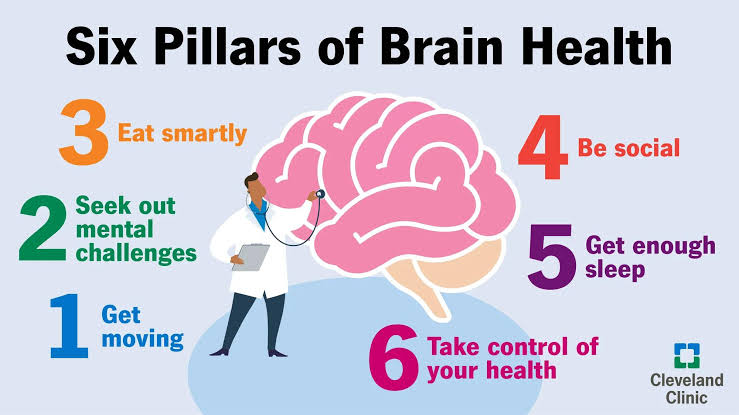
Maintaining cognitive well-being is an important part of overall health at every stage of life. Daily habits such as balanced nutrition, regular physical activity, quality sleep, and lifelong learning all contribute to how the brain functions over time. Brain Power Wellness is a concept that focuses on supporting mental performance and overall brain health through healthy lifestyle choices rather than relying on a single solution. While no routine can guarantee specific cognitive outcomes, consistent healthy habits can support general well-being and day-to-day mental function.What Is Brain Power Wellness?Brain Power Wellness refers to a holistic approach to supporting cognitive health through everyday lifestyle practices. Rather than focusing on one factor alone, it encourages a combination of habits that contribute to overall physical and mental wellness.These habits may include:Nutritious eatingRegular exerciseAdequate sleepStress managementSocial engagementLifelong learningEach person has unique health needs, so wellness strategies should be adapted accordingly.Why Brain Health MattersThe brain plays a central role in nearly every daily activity, including learning, communication, movement, memory, and decision-making.Supporting brain health may help with:Daily concentrationLearning new informationManaging everyday tasksMaintaining overall well-beingMany factors—including age, genetics, lifestyle, and underlying medical conditions—can influence cognitive health.Nutrition and Brain WellnessA balanced eating pattern provides nutrients that support overall health, including brain function.Common recommendations include:Fruits and VegetablesA variety of colorful fruits and vegetables contributes vitamins, minerals, and fiber to the diet.Whole GrainsWhole grains provide complex carbohydrates that supply steady energy throughout the day.Healthy FatsFoods containing unsaturated fats, such as certain nuts, seeds, and fish, can be part of a balanced diet.HydrationDrinking enough water supports normal body functions, including overall physical well-being.Individual dietary needs vary, so nutritional guidance should be personalized when necessary.Physical ActivityRegular exercise supports overall health and may contribute to cognitive well-being.Examples include:WalkingCyclingSwimmingStrength trainingStretchingYogaBefore beginning a new exercise program, individuals with existing medical conditions should consult a qualified healthcare professional.Sleep and Cognitive FunctionSleep is essential for many normal body processes.General sleep recommendations often include:Maintaining a consistent sleep scheduleCreating a comfortable sleep environmentReducing screen time before bedLimiting caffeine late in the daySleep needs vary among individuals based on age and other factors.Mental StimulationKeeping the brain active through learning and problem-solving can be an enjoyable part of lifelong wellness.Activities may include:ReadingLearning a new languageSolving puzzlesPlaying strategy gamesTaking educational coursesPracticing creative hobbiesMental engagement can be both enjoyable and personally rewarding.Managing StressStress is a normal part of life, but ongoing stress may affect overall well-being.Healthy stress management techniques include:Mindfulness practicesDeep breathing exercisesPhysical activityTime managementSpending time outdoorsTalking with trusted friends or familyPersistent stress or emotional concerns should be discussed with a qualified healthcare professional.Social ConnectionMaintaining positive social relationships contributes to overall wellness.Ways to stay connected include:Participating in community activitiesVolunteeringSpending time with familyJoining clubs or interest groupsMaintaining friendshipsSocial engagement can provide emotional support and opportunities for meaningful interaction.Limiting Lifestyle Risk FactorsHealthy daily habits often include:Avoiding tobacco productsLimiting excessive alcohol consumptionFollowing healthcare recommendationsAttending regular medical checkupsManaging chronic health conditions with professional guidanceOverall health and brain wellness are closely connected.Building a Daily Brain Wellness RoutineSimple daily habits can be easier to maintain over time.Consider incorporating:Balanced mealsRegular movementAdequate hydrationScheduled learning activitiesRelaxation timeConsistent sleep routinesSmall changes practiced consistently may contribute to long-term wellness.The Role of Preventive HealthcareRoutine medical care remains an important part of maintaining overall health.Preventive care may include:Annual checkupsBlood pressure monitoringCholesterol screeningDiabetes management when appropriateVision and hearing evaluationsHealthcare providers can offer recommendations based on individual needs and medical history.The Future of Brain WellnessResearch into brain health continues to evolve.Areas of ongoing study include:Healthy agingSleep scienceNutritionPhysical activityCognitive trainingDigital wellness technologiesAs research advances, recommendations may continue to develop based on new scientific evidence.FAQsWhat is Brain Power Wellness?Brain Power Wellness is a lifestyle approach that emphasizes healthy habits such as balanced nutrition, regular exercise, quality sleep, stress management, and lifelong learning to support overall cognitive well-being.Can exercise support brain health?Regular physical activity contributes to overall health and may support cognitive well-being as part of a healthy lifestyle. Individual results vary.Does nutrition affect cognitive wellness?A balanced diet provides nutrients that support general health, including normal brain function. Dietary needs differ among individuals.Why is sleep important?Sleep supports many normal body functions, including processes involved in learning, attention, and overall well-being.Should I consult a healthcare professional about brain health?Yes. If you have concerns about memory, concentration, or other cognitive symptoms, consult a qualified healthcare professional for personalized evaluation and guidance.ConclusionBrain Power Wellness is built on the understanding that cognitive well-being is influenced by many aspects of daily life, including nutrition, exercise, sleep, stress management, and ongoing mental engagement. While no single habit can guarantee improved brain function, consistently practicing healthy lifestyle behaviors can support overall wellness and help maintain cognitive health over time. For individualized advice, especially if you have concerns about memory or other cognitive changes, consult a qualified healthcare professional.